Why St. Augustine, FL Homes Need More Frequent Roof Soft Washing Near the Coast
Key Takeaways
- Salt air and high humidity cause algae and lichen to grow faster on roofs near the coast.
- Standard pressure washing can void your shingle warranty by scrubbing off protective granules.
- Roof soft washing uses a low-pressure method that kills growth at the root without damaging materials.
- North-facing roof slopes in St. Augustine, FL stay damp longer and need the most attention.
- Regular soft washing helps your roof last through Florida's storm season.
| Table of Contents |
|---|
| Salt Air Damage |
| Soft Washing Method |
| Best Schedule |
| Local Roof Conditions |
You probably do not think about your roof until you see those ugly black streaks running down from the peak. That is the first sign that the salt air and humidity are doing their work. Living close to the ocean means your roof gets hit with more moisture, more salt, and more organic growth than any inland home. We have been cleaning roofs all over St. Augustine, from Anastasia Island to Vilano Beach, and the difference is clear. Homes near the coast need roof soft washing more often than homes just a few miles west. Ignoring those dark streaks will cost you years off your roof's life.
What Does Salt Air Do to Roof Shingles in St. Augustine, FL?
Salt air does not just land on your roof and sit there. It mixes with the dew that forms every morning. This creates a salty film that holds moisture against the shingles for hours after the sun comes up. That trapped moisture invites algae, moss, and lichen to grow. A home in Palm Coast that sits a few miles back from the water sees less of this effect. A beachfront house on St. Augustine Beach gets salt mist blown directly onto the roof with every east wind.
Once the algae takes hold, it starts eating the limestone granules that protect the asphalt underneath. Those granules give your shingles weight and shield them from UV rays. When the granules wash off into your gutters, your roof becomes thinner and more brittle. We have walked neighborhoods off A1A where roofs barely ten years old already show bare spots and curling edges. That happened because the growth was never cleaned. A regular soft washing schedule could help avoid a full roof replacement sooner than necessary.
How Does Roof Soft Washing Work on Shingle and Tile Roofs?
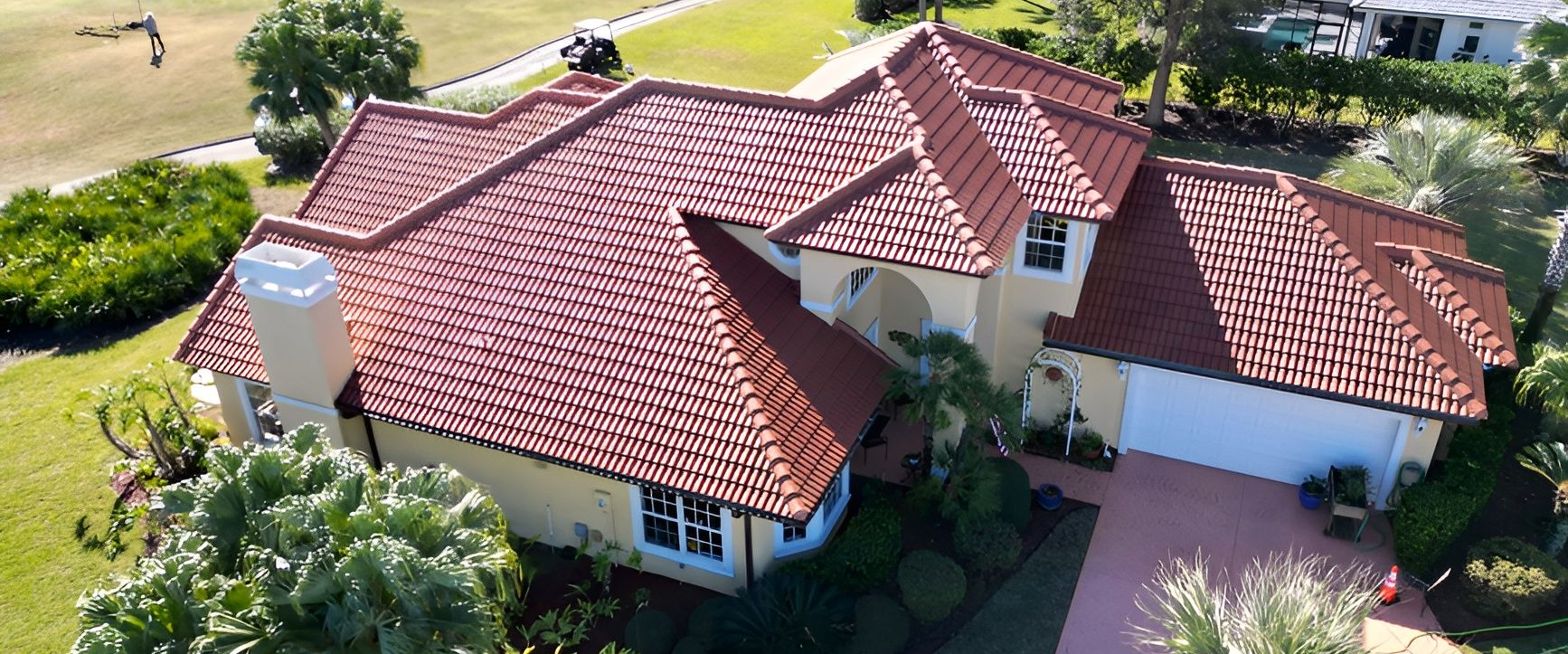
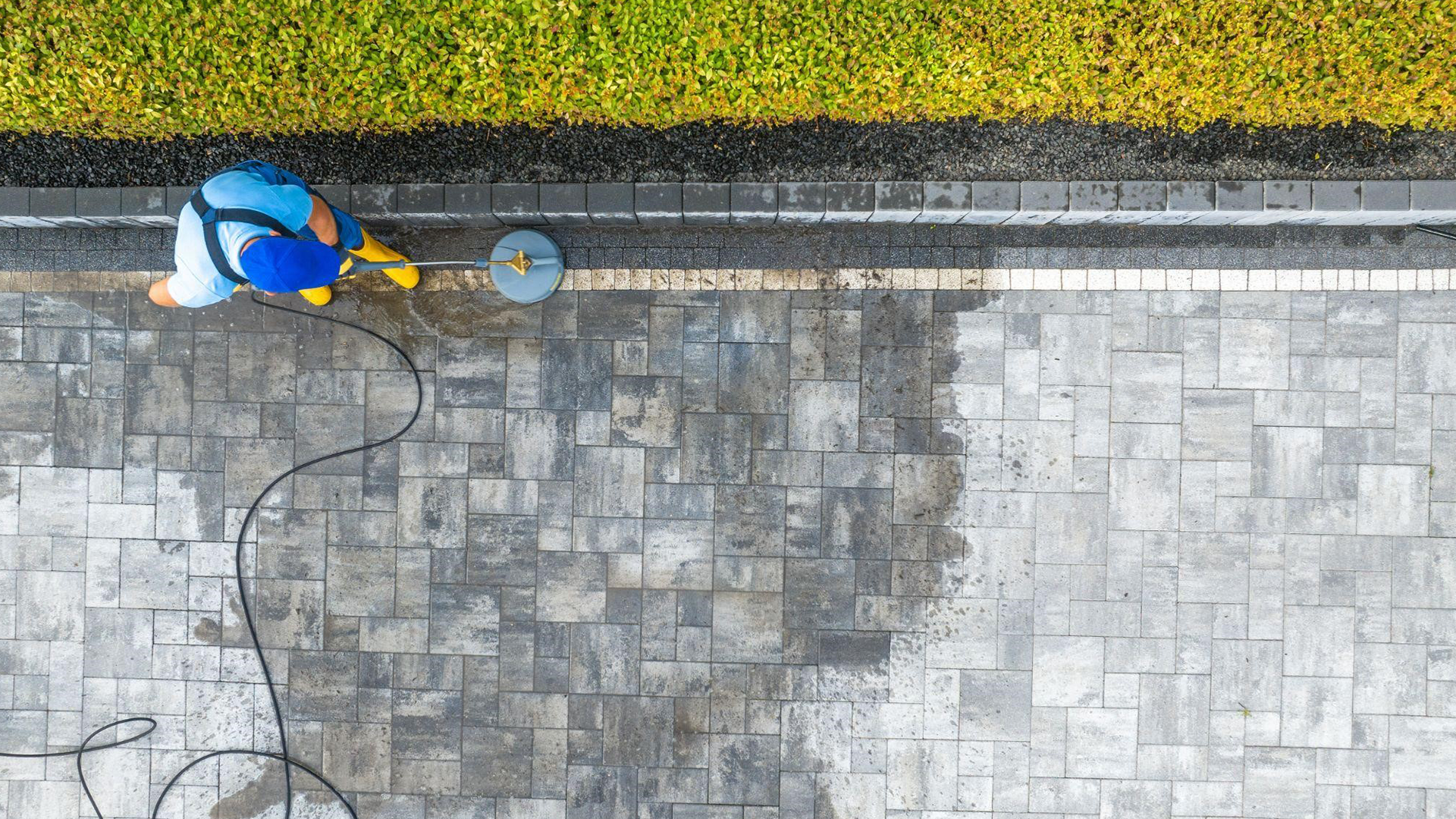
Roof soft washing is not the same thing as pressure washing. Pressure washing blasts water at high PSI. That works fine for concrete driveways but will tear granules off shingles and crack clay or concrete tile roofs. Soft washing uses a low-pressure spray combined with an algaecide. The solution soaks into the organic growth and kills it down to the root. We let the solution sit and do its work, then rinse it off gently. The roof gets clean without any physical abrasion.
This matters even more for homes in the Historic District. Older clay tile roofs and shake-style shingles cannot handle high pressure. We clean those surfaces just as carefully as we clean a modern roof in Nocatee. The goal is always the same. Remove the living growth. Leave the roof material untouched. Keep the cleaning solution away from your landscaping. We wet down plants and cover what needs covering before we start. This is standard practice for us.
How Often Should a Home Near Vilano Beach Schedule Roof Cleaning?
Homes right on the water near Vilano Beach or Butler Beach need roof soft washing more often than homes further inland. The salt spray and morning dew keep the roof damp for longer periods. That constant moisture gives algae a steady place to grow. Homes a mile or two inland, like the neighborhoods off State Road 16 or near the Prime Outlets, can go longer between cleanings. The difference is all about how much salt spray reaches the roof and how long morning dew sits on the shingles.
North-facing roof slopes always grow algae faster than south-facing ones. They get less direct sun. The moisture from morning dew hangs around longer. We tell homeowners in places like Lighthouse Park to keep an eye on the north side of their roof. If you see dark streaks starting there, that is your signal to call us before it spreads to the rest of the house. Waiting until the whole roof looks black means more cleaning time and a higher risk of granule loss.
We also see a big jump in roof growth after a wet hurricane season. A few weeks of steady rain followed by hot sun creates a greenhouse effect on your shingles. If your roof went through that kind of summer, moving your cleaning schedule up by a few months is money well spent. Letting that growth sit through another wet season makes the problem harder to fix. Our
roof soft washing service helps coastal homeowners protect their shingles from salt air, algae, and long-term moisture damage.
What Roof Problems Are Unique to St. Augustine Beach and Anastasia Island?
Homes on Anastasia Island deal with something most inland homes do not. They get constant salt drift off the ocean mixed with irrigation overspray from all the landscaping. That combination is like fertilizer for roof algae. We have cleaned roofs on 10th Street where the growth was so thick on the ocean-facing side that you could not tell the shingles were gray instead of black. The owners thought they needed a new roof. They just needed a proper soft wash.
Another local issue we run into around St. Augustine Beach is lichen. Lichen looks like flat, crusty patches in gray-green or orange. It grows slowly. But once it gets a foothold on your shingles or clay tiles, it holds moisture against the surface year-round. That can lead to soft spots and leaks over time. Soft washing kills lichen, but it takes longer to break down than regular algae. We usually do a second treatment on lichen-heavy roofs a few weeks after the first wash to make sure it is fully dead.
If you have a tile roof in the Davis Shores neighborhood or near the Bridge of Lions, you also need to watch for moss working its way under the edges of the tiles. Moss lifts tiles up. That lets rain get under them and rot the felt underneath. Soft washing kills the moss and shrinks it so the tiles lay flat again. You cannot just scrape moss off a tile roof without breaking something. The soft wash method is the only safe way to clear it without damage.
For homeowners who also want their windows and screens cleaned after a roof wash, we bundle that work together.
Frequently Asked Questions
Will roof soft washing hurt my plants or my yard?
We wet down all landscaping before we apply any cleaning solution. We also rinse plants with fresh water after we finish. The algaecide we use is safe for plants when diluted properly, but we still take care to avoid overspray. You do not need to cover every bush yourself. We handle that as part of the job.
How long does a roof soft wash take for a typical St. Augustine, FL home?
Most single-family homes take two to four hours from setup to cleanup. Larger homes on Anastasia Island or in Nocatee with complex roof lines might take most of a morning. We do not rush the process because the cleaning solution needs time to work before we rinse.
Can you clean a roof with solar panels on it?
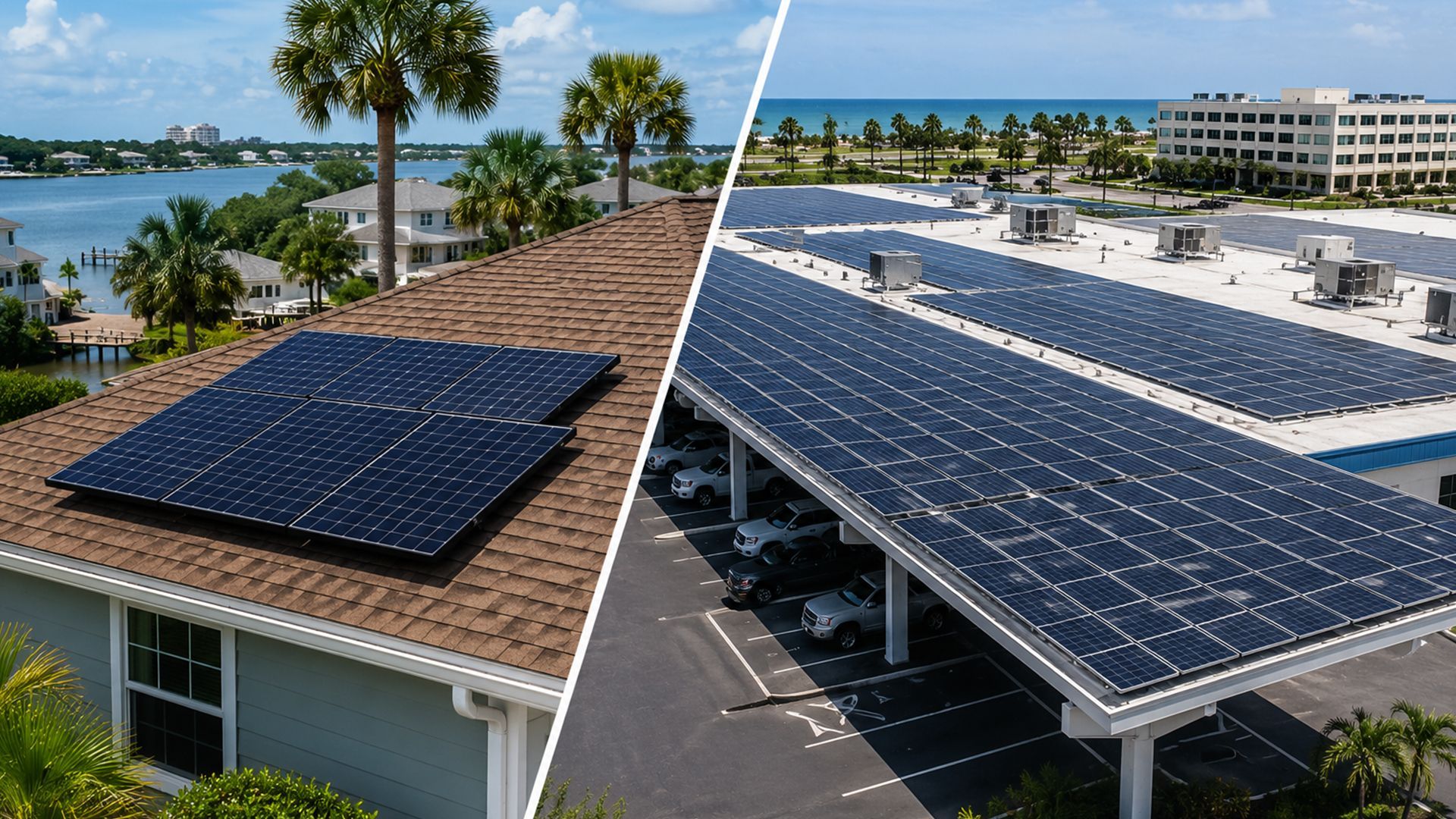
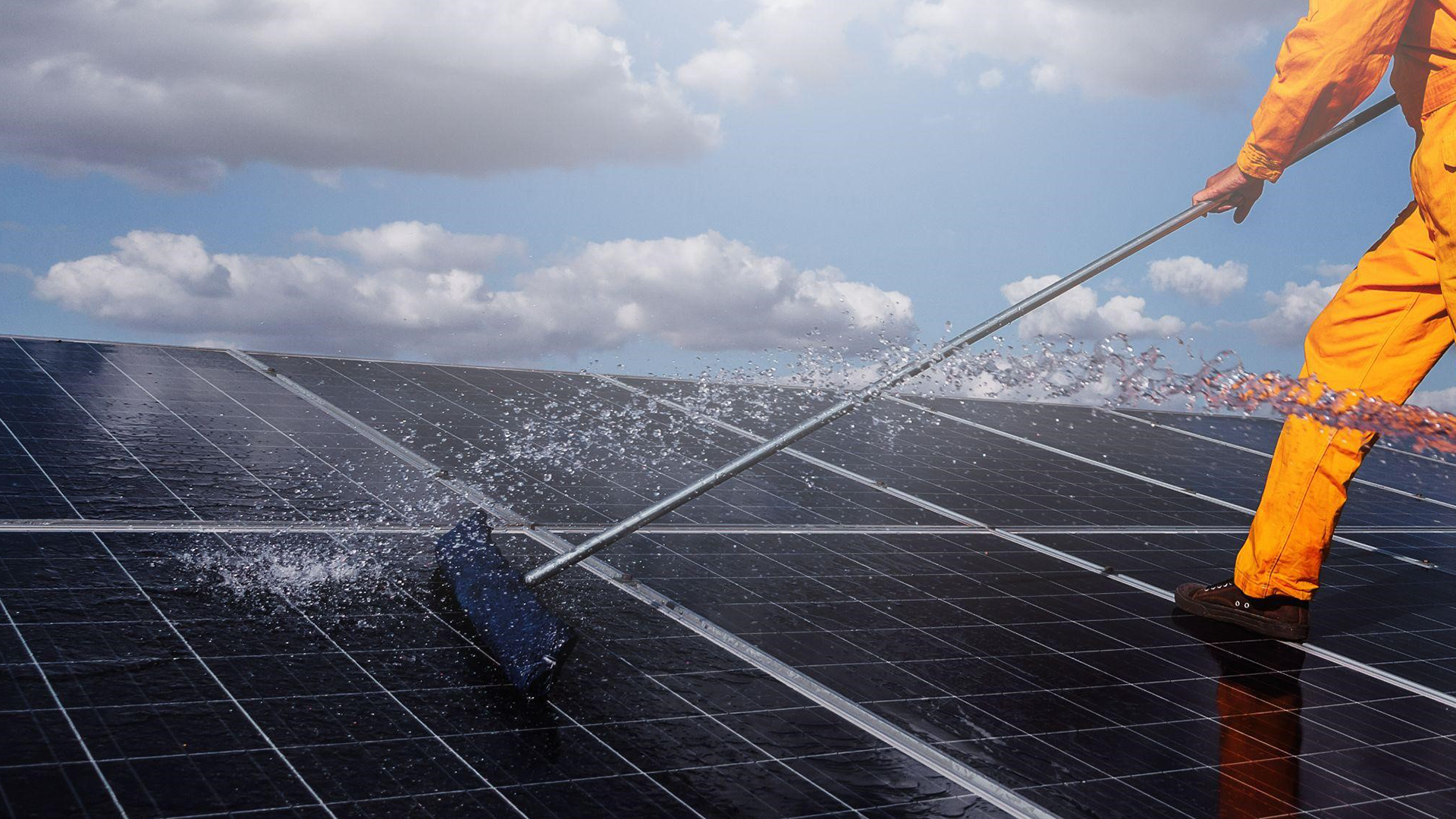
Yes, we clean around solar panels carefully. We can also schedule a solar panel cleaning at the same time. Bird droppings and salt buildup can reduce how much power your panels make. Cleaning the panels after we do the roof helps keep everything working properly.
Is roof soft washing loud or disruptive?
No. Because we use low pressure, our equipment is much quieter than a standard pressure washer. You will hear the pump running and water spraying. But it is not the loud buzzing sound you might expect from commercial pressure washing.
Do I need to be home during the cleaning?
You do not need to be home as long as we can reach all sides of the house and turn the water on. We will walk the property before we start and after we finish. Then we send you photos of the completed work. Many of our customers in Vilano Beach and Butler Beach schedule cleanings while they are at work or out of town.
What happens if it rains right after you clean my roof?
The cleaning solution needs time to dry to fully kill the algae. If a sudden summer storm rolls in right after we finish, the rain will dilute the solution before it finishes working. We keep an eye on the forecast and will reschedule if rain looks likely. If we miss a call and it rains anyway, we come back for a touch-up at no extra charge.
Does my HOA in Nocatee or World Golf Village require roof cleaning approval?
Many HOAs in planned communities have rules about roof appearance and approved cleaning methods. We work with Nocatee and World Golf Village homeowners all the time. Tell us what your HOA requires. We can provide a cleaning summary or talk to the property manager directly. Soft washing is almost always approved because it does not damage the roof structure.
Protect Your Roof From St. Augustine’s Salt Air
If your roof is showing dark streaks or you just want to stay ahead of the salt air damage, give us a call. We clean roofs the right way for St. Augustine, FL homes. Low pressure. Solid results. Call 904-792-7777 or schedule your roof soft washing quote today. We will walk your roof, check for any trouble spots, and let you know when your next cleaning should be.