Residential vs. Commercial Solar Panel Cleaning in St. Johns County, FL
Key Takeaways
- Residential systems are usually roof-mounted, while commercial arrays often sit on flat roofs, carports, or the ground.
- Larger commercial arrays need a consistent process across the whole system to avoid a patchy, uneven look.
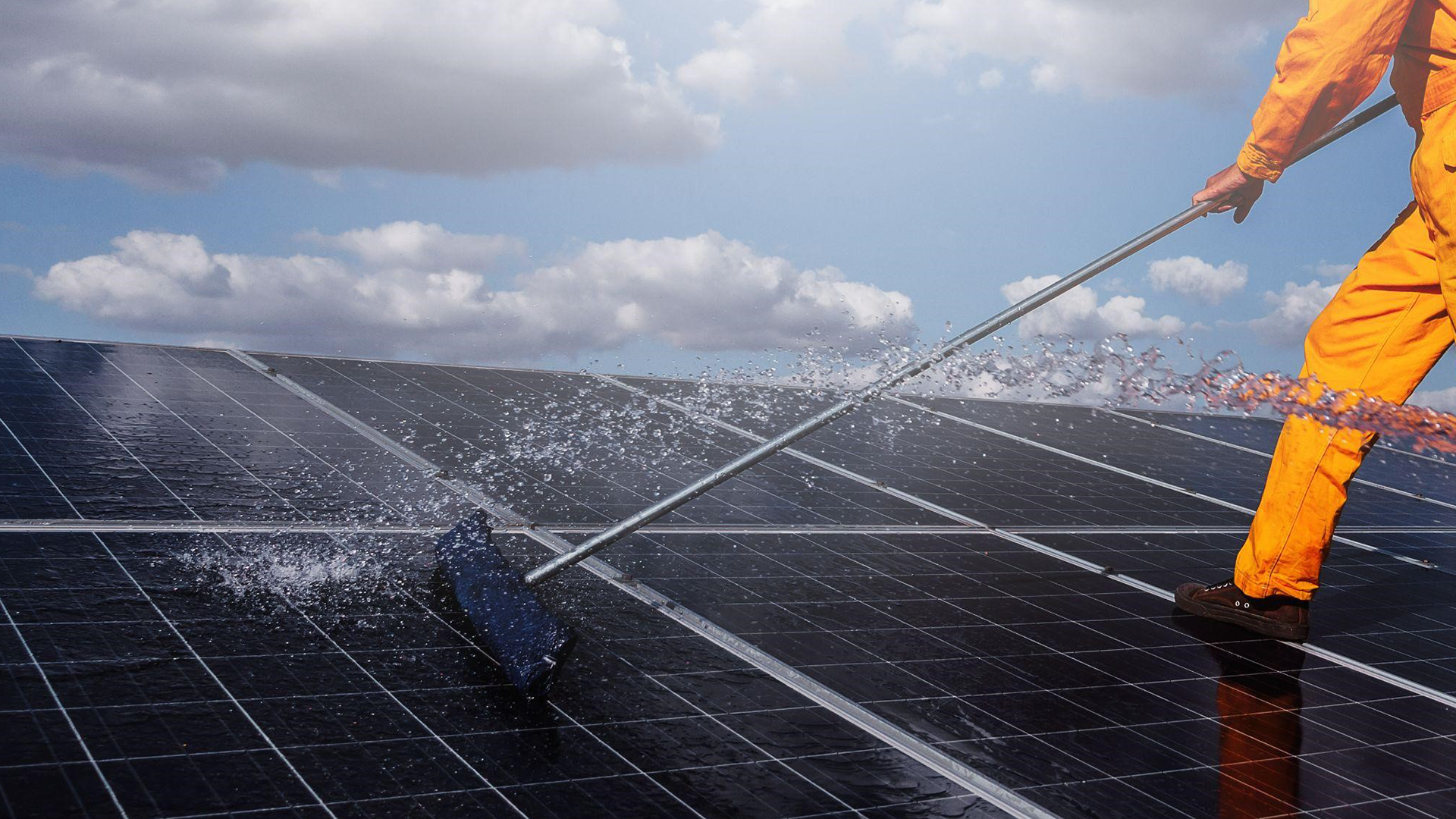
- Both system types respond to the same core method, purified water and soft brushing, but access and scheduling differ depending on the system.
- Mounting hardware and roof edges need extra care on residential roof-mounted systems specifically.
- Cleaning frequency depends more on location and exposure than on whether the system is residential or commercial.
| Table of Contents |
|---|
| The Core Difference |
| Residential Cleaning |
| Commercial Cleaning |
| What Stays the Same |
| Choosing a Schedule |
We get this question from both sides, a homeowner asking if cleaning their roof panels is basically the same job as cleaning a business's rooftop array, and a property manager wondering if a residential-style cleaning would even work on their flat-roof system. Both are really asking the same thing: will this actually work on my setup. It does, we clean both residential roof-mounted systems and larger commercial arrays using the same purified water and soft brushing method, but the approach changes depending on what kind of system you're working with, and that's the part most people don't realize until they start comparing the two.
What's the Core Difference Between Residential and Commercial Solar Cleaning?
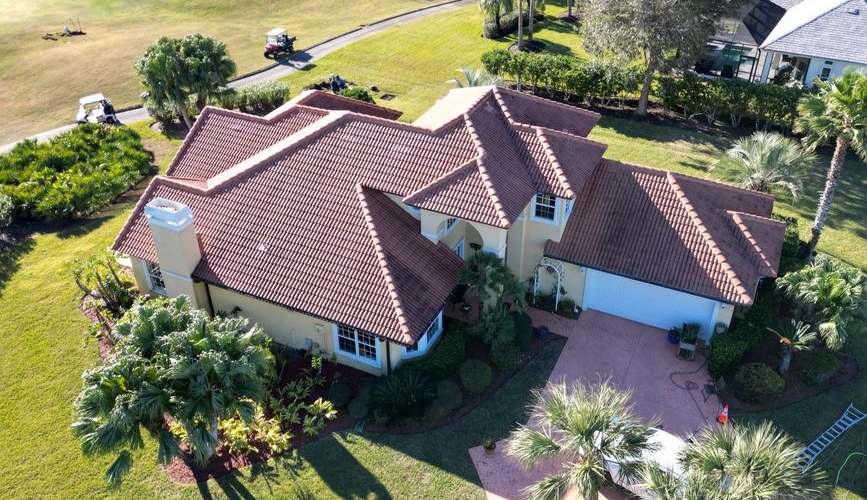
The biggest difference comes down to where the panels are mounted and how much surface area is involved. Residential systems are almost always roof-mounted, sitting directly on shingle or tile roofing with mounting hardware and roof edges close by. Commercial systems cover more ground, literally, often spread across flat roofs, carports, or ground-mounted racks that sit apart from any roofline at all.
That difference in layout changes how we plan each job. A residential cleaning is built around working carefully near a single roof's hardware and edges, while a commercial cleaning has to account for multiple sections of an array that might not even be on the same surface.
What Does Residential Solar Panel Cleaning Involve?
For a home with a roof-mounted system, our
solar panel cleaning service stays controlled around mounting hardware, flashing, and roof edges, since the panels sit close to the roof surface itself. Whether the roof is shingle or tile changes some of the footing and access considerations, which is part of why we plan residential jobs around the specific roof type rather than treating every home the same way.
What Does Commercial Solar Panel Cleaning Involve?
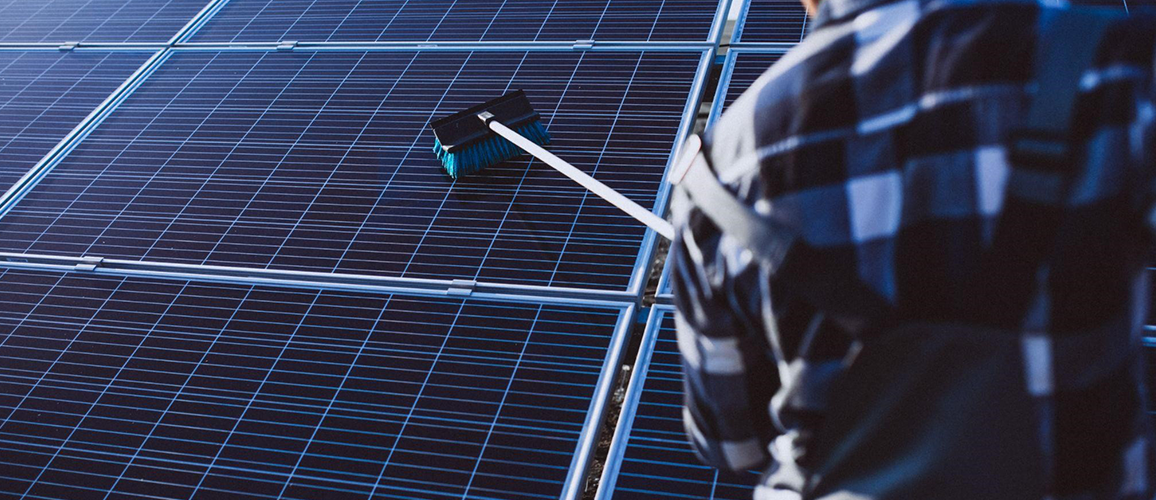
Commercial arrays bring a different set of considerations for us, mainly scale and consistency. A flat-roof or carport system might have far more panels spread across a wider area, and our goal is making sure the entire array looks uniform when we're done, not just the sections that were easiest to reach. A patchy clean, where some panels look noticeably brighter than others, stands out more on a large commercial array than it would on a smaller residential setup.
Ground-mounted arrays and solar farms add another layer to this, since they're not tied to a roof at all. We clean ground-mounted systems by working across the racks instead of relying on roof access, which changes how we position the equipment but still relies on the same water-fed pole approach to reach the full face of each panel.
What Stays the Same Across Both System Types?
Our cleaning method doesn't change much between residential and commercial jobs, we use the same water-fed pole system and purified water on both, which lines up with manufacturer-recommended cleaning practices regardless of system size. Both also deal with the same culprits in this part of Florida, pollen film, coastal salt haze, and storm-season residue, since none of those are picky about whether they land on a home roof or a business rooftop.
What changes isn't our equipment, it's the planning. Untreated water can leave mineral spots on any panel, and abrasive tools risk scratching the glass whether there are ten panels or two hundred, but a larger commercial array takes more coordination on our end to keep that consistent finish across the whole system.
How Do You Choose a Cleaning Schedule for Either System?
Frequency comes down to exposure more than system type. A residential system sitting under heavy tree cover might need attention sooner than a commercial flat-roof array out in the open with no shade nearby, even though the commercial system is larger. Properties closer to the coast, residential or commercial, tend to deal with salt haze faster than properties further inland.
For commercial sites especially, we schedule around predictable buildup periods, heavy pollen season and after storm season, rather than guessing at a calendar date that doesn't actually match local conditions.
Frequently Asked Questions
Is commercial solar panel cleaning in St. Johns County more expensive than residential?
Pricing depends on system size, access, and panel count, not simply whether it's residential or commercial. The best way to get an accurate number is to share your panel count and system type when requesting an estimate.
Can a commercial property in St. Johns County use the same cleaning method as a home?
Yes, we use the same water-fed pole system and purified water on both, but how we apply it changes based on the layout, whether it's a flat roof, carport, or ground-mounted system.
Does a bigger commercial array need cleaning more often than a residential system?
Not necessarily. Frequency depends more on exposure, tree cover, and coastal proximity than on the size of the system itself, so a smaller home system under heavy shade can need attention just as often as a larger commercial array.
Do you clean ground-mounted or solar farm arrays around St. Johns County?
Yes, we clean ground-mounted and solar farm panels with the same water-fed pole approach used on rooftop systems, adapted for working across racks instead of roof access.
How do I know which type of cleaning my property in St. Johns County needs?
Tell us whether your system is roof-mounted, flat-roof, carport, or ground-mounted, and we can recommend the right approach and a realistic schedule based on your specific setup and location.
Let's Talk About Your Solar System
Whether you've got a roof-mounted home system or a larger commercial array in St. Johns County, we're happy to walk through what your setup actually needs. Give us a call at
904-792-7777, or
reach out to us and share your panel count and system type so we can put together an accurate estimate. Either way, we'll get back to you to figure out next steps.