Irrigation Stains on Concrete in St. Augustine, FL: Causes and Cleaning Solution
Key Takeaways
- Irrigation overspray often leaves mineral and rust stains along driveway edges and sidewalks.
- Hard water deposits from sprinkler systems cause white or orange streaks on concrete.
- Shaded or textured concrete retains moisture longer, making stains more noticeable.
- Proper pressure washing and surface cleaning remove buildup safely and evenly.
- Regular maintenance helps prevent mineral and organic deposits from becoming permanent.
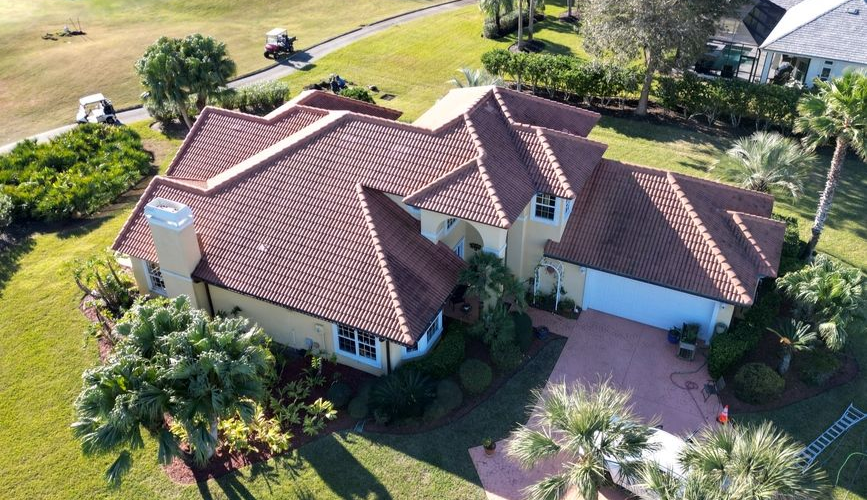
Concrete surfaces around St. Augustine, FL can develop unsightly streaks and discoloration even when the rest of the property looks clean. Mineral deposits, rust stains, and organic buildup from sprinkler systems or irrigation overspray often concentrate along the edges of driveways, sidewalks, and patios. These stains are common in humid Florida conditions, where moisture keeps deposits visible longer and encourages algae and mildew growth.
What Causes Irrigation Stains on Concrete in St. Augustine, FL?
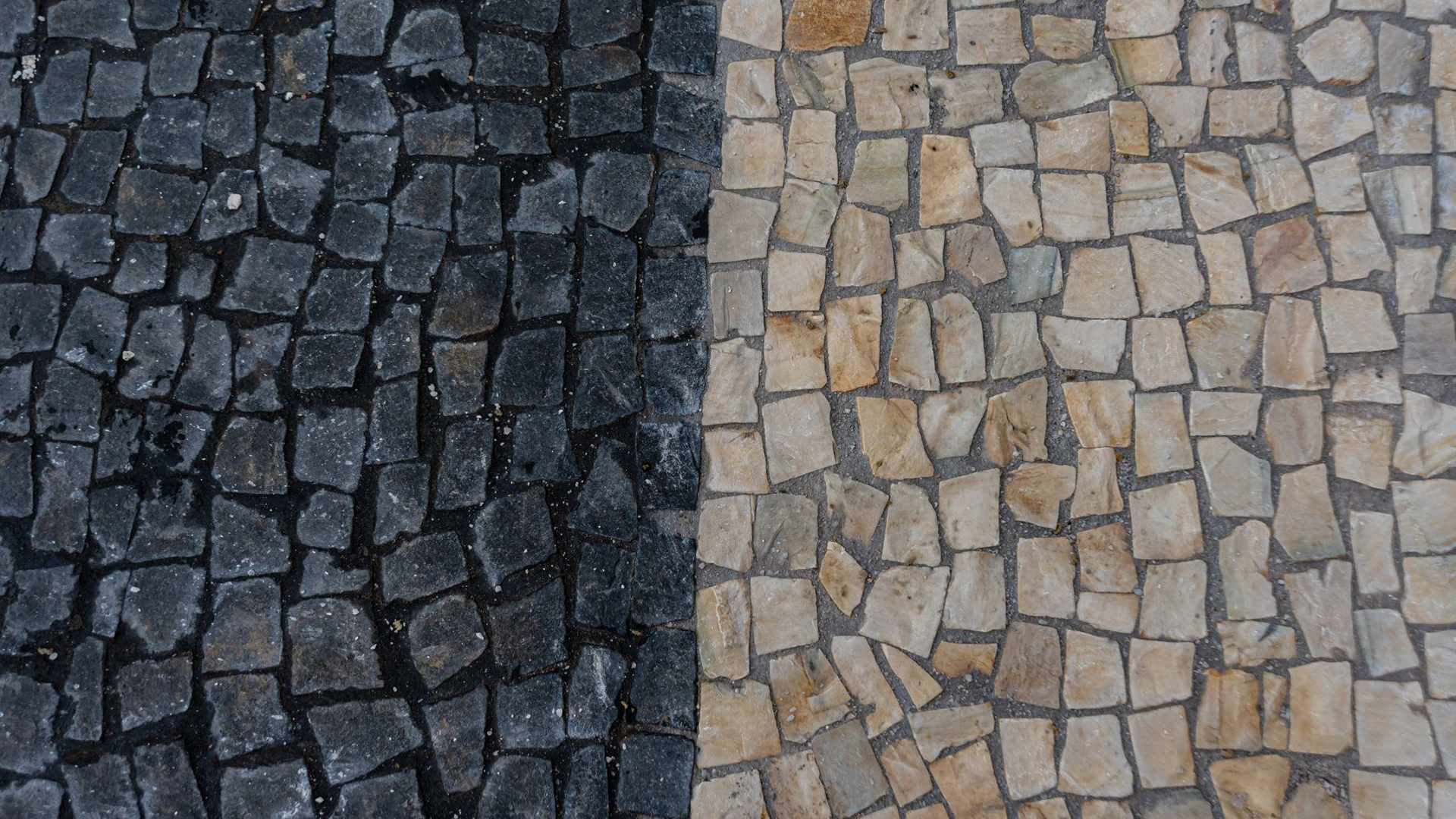
Irrigation systems can leave more than water behind. Homes using hard water often see white or orange streaks from mineral deposits. Iron, calcium, and other elements in the water react with concrete surfaces, especially when spray consistently hits the same areas.
Rust stains sometimes appear when sprinkler heads are metal or when water interacts with nearby metal fixtures. Over time, repeated cycles of wetting and drying embed these marks into porous concrete, making them harder to remove. Shaded or north-facing concrete sections often retain moisture longer, accelerating stain visibility and algae growth.
Our
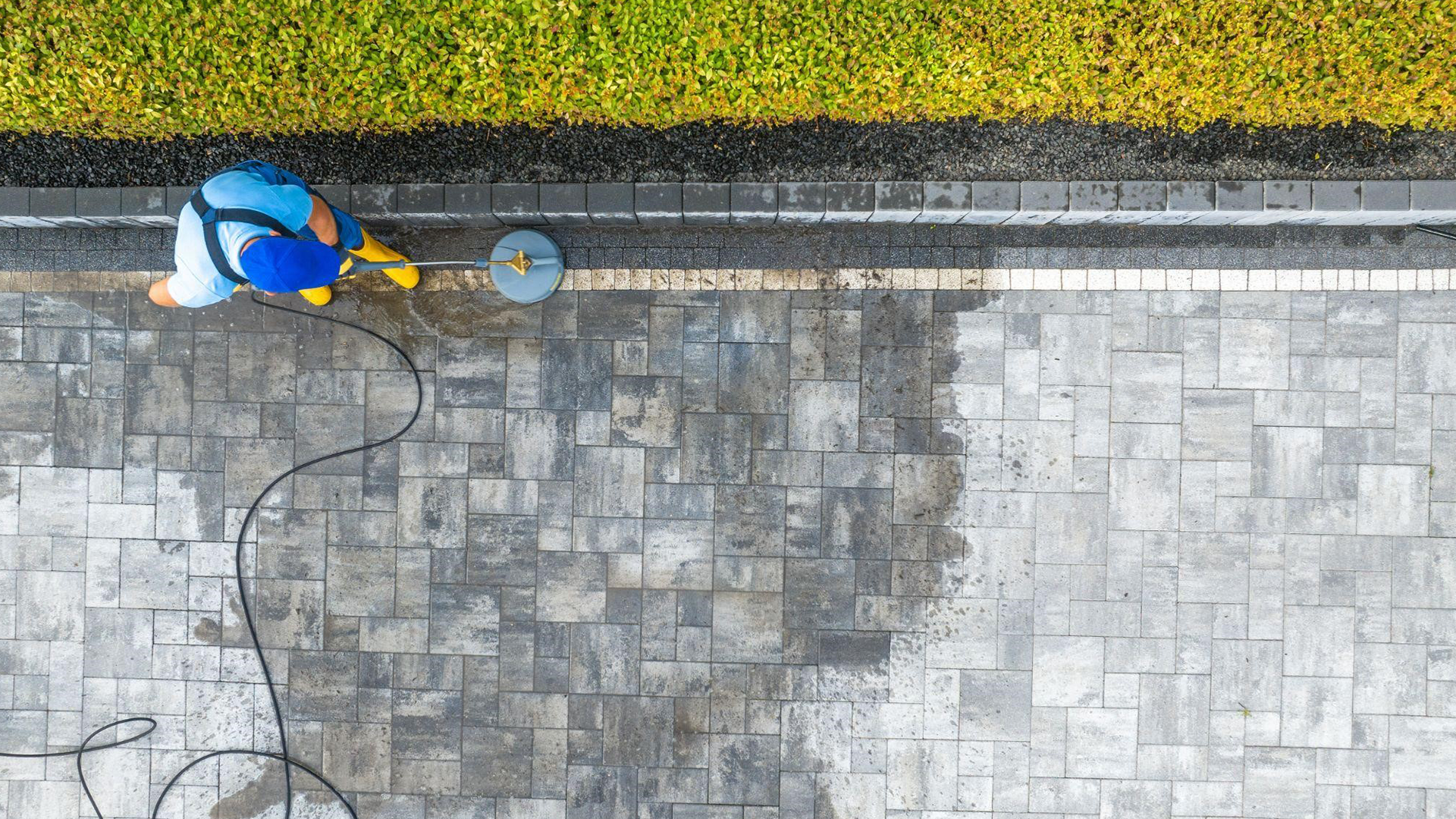
pressure washing service targets these problem areas precisely. We adjust water pressure and cleaning methods to remove deposits without harming the concrete or leaving streaks.
Why Do Mineral Deposits Appear Along Driveway Edges?
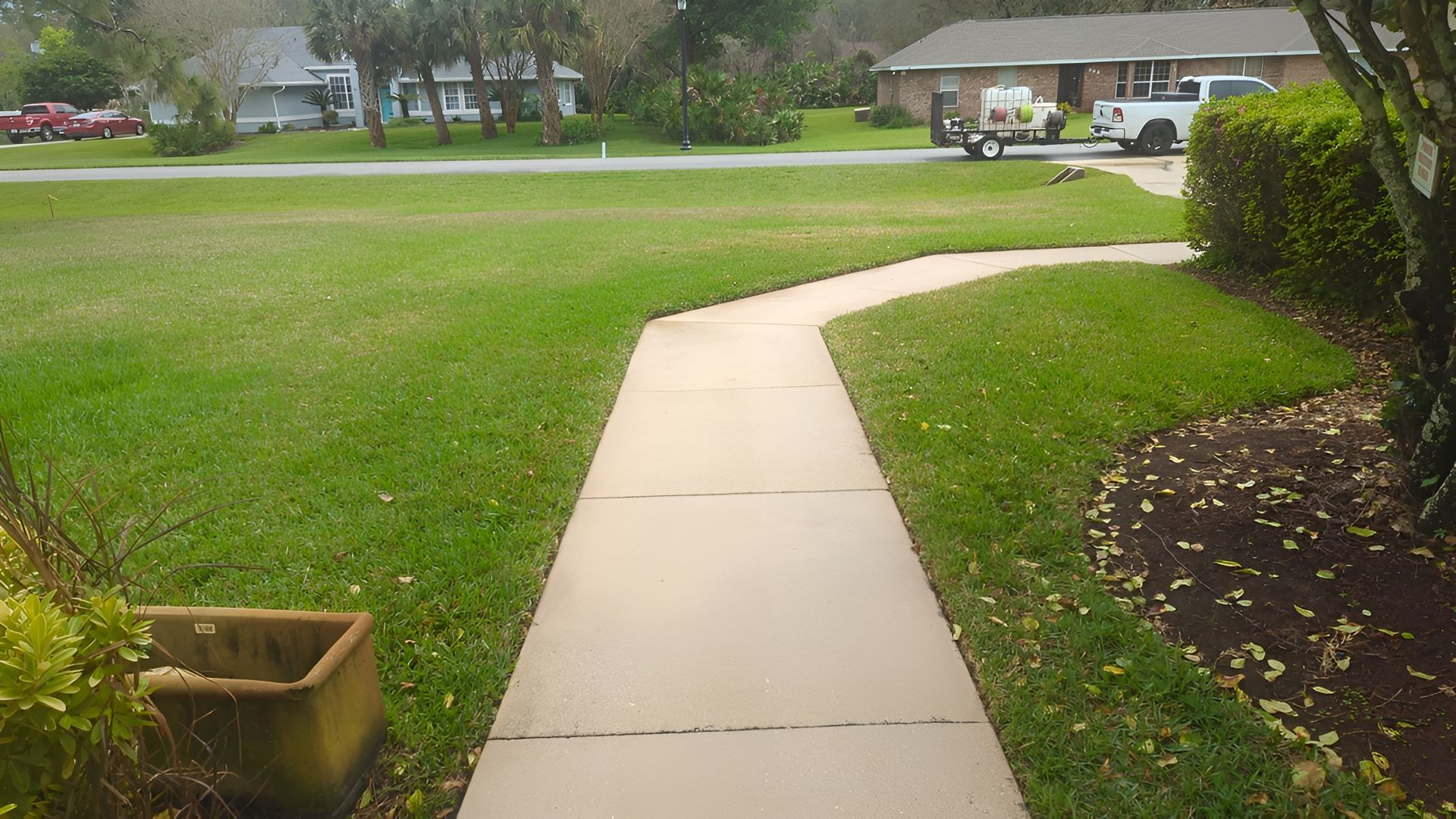
Driveway edges and sidewalks often catch overspray from sprinklers, creating concentrated streaks. Mineral content in water reacts with concrete over time, leaving white or rust-colored streaks that are difficult to scrub away manually.
Homes in neighborhoods such as Nocatee, World Golf Village, and St. Augustine Beach often deal with these localized streaks. Once mineral buildup embeds in the concrete, simply rinsing with a garden hose is not enough - professional cleaning methods are necessary to restore a uniform surface.
How Does Concrete Texture Affect Stain Buildup?
Smooth concrete surfaces rinse more easily, while textured, stamped, or older concrete retains water and debris longer. Pores and crevices catch minerals, leaves, and algae spores, which combine to form darker streaks over time.
Shaded sections of driveways, patios, and walkways near large oaks or other trees collect organic debris that compounds the effect. Repeated moisture from irrigation keeps the surface damp, allowing stains to set more quickly and appear more noticeable.
What Are the Safest Methods for Removing Irrigation Stains?
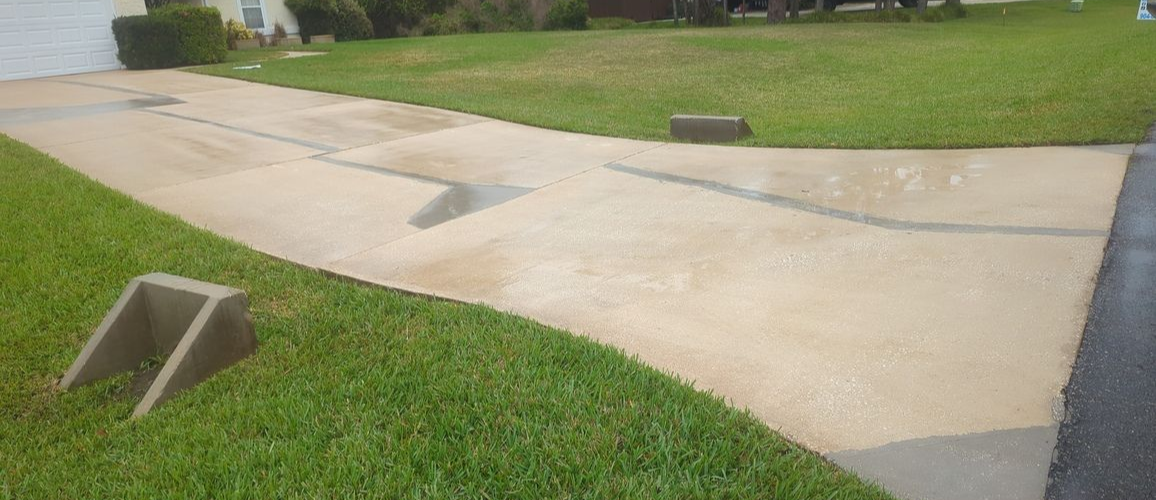
We use surface cleaner attachments for flatwork instead of standard pressure wands. This evenly cleans the concrete while preventing etching or striping. Pre-treatment for heavily stained sections ensures rust, mineral, and organic deposits lift effectively.
For stubborn rust or mineral deposits, we sometimes combine soft chemical pre-treatment with mechanical agitation using pressure washing. This approach removes stains safely while protecting decorative edges, pavers, and surrounding landscaping.
Many St. Augustine, FL homeowners pair irrigation stain cleaning with roof soft washing or full exterior cleaning to maintain a consistent, fresh look across all surfaces.
Which Areas Around St. Augustine, FL Experience Irrigation Staining Most Frequently?
Neighborhoods with frequent irrigation use and hard water exposure, such as Ponte Vedra Beach, Palm Coast, and parts of Anastasia Island, tend to see more mineral streaks. Older HOA communities with automatic sprinkler systems often face recurring streaks along driveways, walkways, and garden paths.
Properties near coastal areas like St. Augustine Beach or Butler Beach also encounter faster stain buildup due to constant moisture, humidity, and salt in the air. Homes in shaded or heavily landscaped lots experience compounding issues, as water remains on surfaces longer.
Why Choose Cleansing Power Pressure Washing?
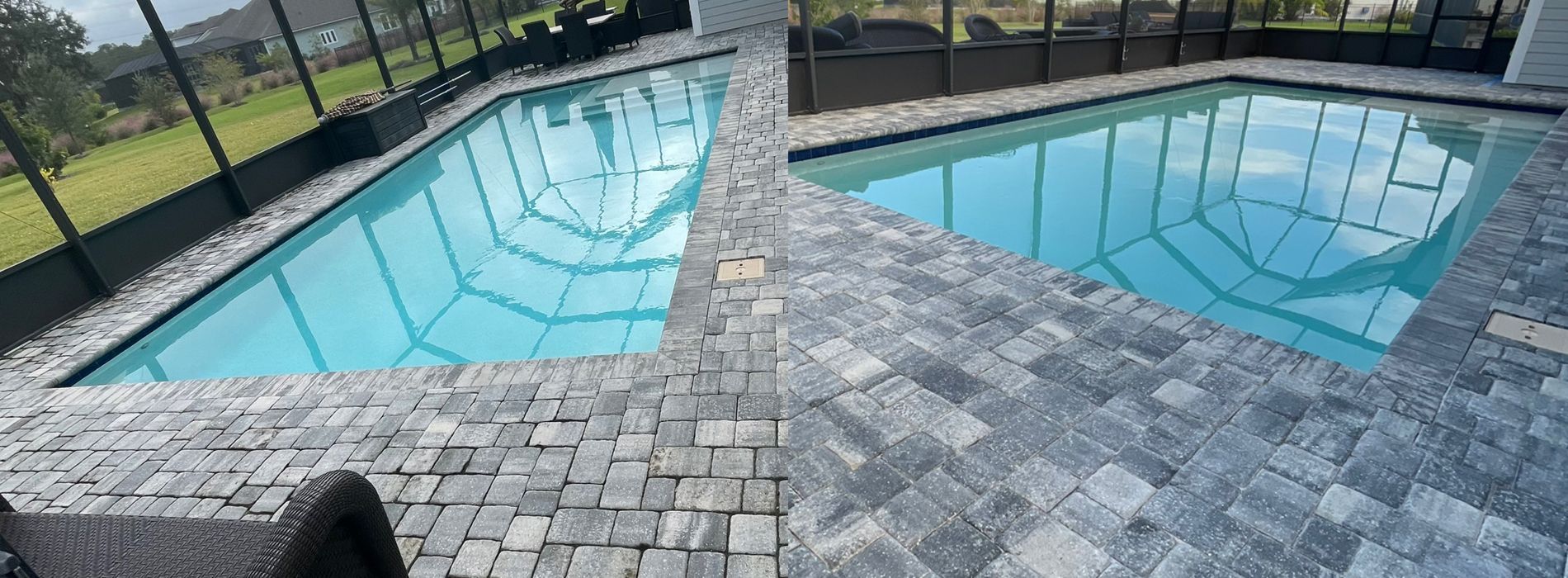
When it comes to protecting your pool deck, driveway, or concrete surfaces, experience matters. At Cleansing Power LLC, we understand the challenges Florida homeowners face - from harsh sun and humidity to irrigation overspray and coastal salt air. Our team customizes every pressure washing job to the specific surface and environmental conditions, ensuring even cleaning without streaks or damage.
We use professional-grade equipment and surface cleaner attachments that lift stubborn stains, mineral deposits, and organic buildup safely. Many homeowners in St. Augustine, FL Anastasia Island, and Ponte Vedra Beach trust us not just for our technical skill, but for our local knowledge. We know which areas are most prone to algae, rust, or mineral buildup, and we adjust our methods to keep your concrete, pavers, and pool decks looking their best.
Choosing Cleansing Power means getting a team that values quality, safety, and long-term results. We don’t just clean surfaces - we preserve them, enhancing both appearance and durability.
Frequently Asked Questions
How can I prevent irrigation stains on concrete?
Ensure sprinkler heads are properly adjusted to avoid overspray. Regular rinsing and annual pressure washing can help prevent buildup before it sets into the concrete.
Can pressure washing remove mineral streaks completely?
Yes, with the correct surface cleaner and targeted pre-treatment, mineral and rust streaks can be removed effectively without damaging the concrete.
Is it safe to use chemicals on concrete for stain removal?
When applied correctly by professionals, mild pre-treatment solutions safely lift stains while protecting concrete and surrounding landscaping.
How often should driveways be cleaned to prevent irrigation stains?
Once a year is generally sufficient for most homes. Homes with hard water or heavy irrigation use may need cleaning more frequently.
Do shaded or tree-covered areas require special attention?
Yes, these areas retain moisture longer, which accelerates mineral, algae, and organic buildup. Targeted cleaning is recommended to keep surfaces bright and safe.
Ready to Remove Irrigation Stains?
Irrigation stains rarely disappear on their own, and buildup can become permanent if left untreated. If you notice streaks along your driveway, sidewalks, or patios, our team can evaluate your concrete and recommend the best cleaning approach. Call
904-792-7777 or
contact Cleansing Power Pressure Washing to schedule professional irrigation stain removal in St. Augustine, FL.